
Multivitamin for Women: A Complete Guide to Choosing the Right One
A good multivitamin for women should match your diet, age and life stage — not the loudest label on the shelf. This is where we explain the nutrients that matter, how tablets, capsules and gummies compare, and how to read a formula so you can choose with confidence.
Evidence first
Nutrient claims are weighed against research, not marketing.
No fake ratings
No invented Top-10s, testimonials or star scores — ever.
Plainly written
Guidance you can take to a clinician and act on.
Explore Women’s Vitamin & Supplement Guides
Six routes into the topic, from everyday women’s multivitamins to age-specific needs and our supplement reviews.
- 01Jump to section
Women's Multivitamins
Daily multivitamin formulas for women — what they cover and how they differ.
- 02Jump to section
Vitamins for Women Over 50
How nutritional needs can shift with age, and what changes after 50.
- 03Jump to section
Multivitamins With Iron
When an iron-containing formula makes sense — and when it may not.
- 04Jump to section
Gummy & Chewable Forms
Gummies, chewables, tablets and capsules compared on practical terms.
- 05Jump to section
Women's Health Supplements
Beyond the multivitamin — minerals, omega-3s and targeted support.
- 06View reviews
Supplement Reviews
Our evidence-graded reviews of real women's wellness products.
What Is a Multivitamin for Women?
In short: a multivitamin is designed to complement food, not replace it — the most useful approach is to treat supplementation as individual, ideally with a healthcare professional.

A multivitamin for women — sometimes called a women’s multivitamin or simply a multi — is a single daily supplement that combines several vitamins and minerals in one tablet, capsule or gummy. “Women’s” formulas are often built around patterns common in women’s diets, such as adding iron or emphasising folate, though what is actually inside varies enormously from product to product.
That variation is why two products with near-identical names can be very different. Some are broad, low-dose daily formulas; others load specific nutrients well above reference intakes. Forms differ too — tablets and capsules tend to hold more per serving, while gummies and chewables trade some of that for taste and ease of use.
Nutritional needs are not the same for everyone. Diet, age, life stage and individual circumstances all shape what — if anything — a person might benefit from supplementing. Whole foods still provide fibre, protein and compounds a pill can’t reproduce, so a multivitamin is best seen as insurance against specific gaps rather than a substitute for eating well.
What Should a Women’s Multivitamin Contain?
Common nutrients in women’s formulas and what they’re associated with. Whether you need additional amounts depends on your diet, age, life stage and individual circumstances — more is not automatically better.
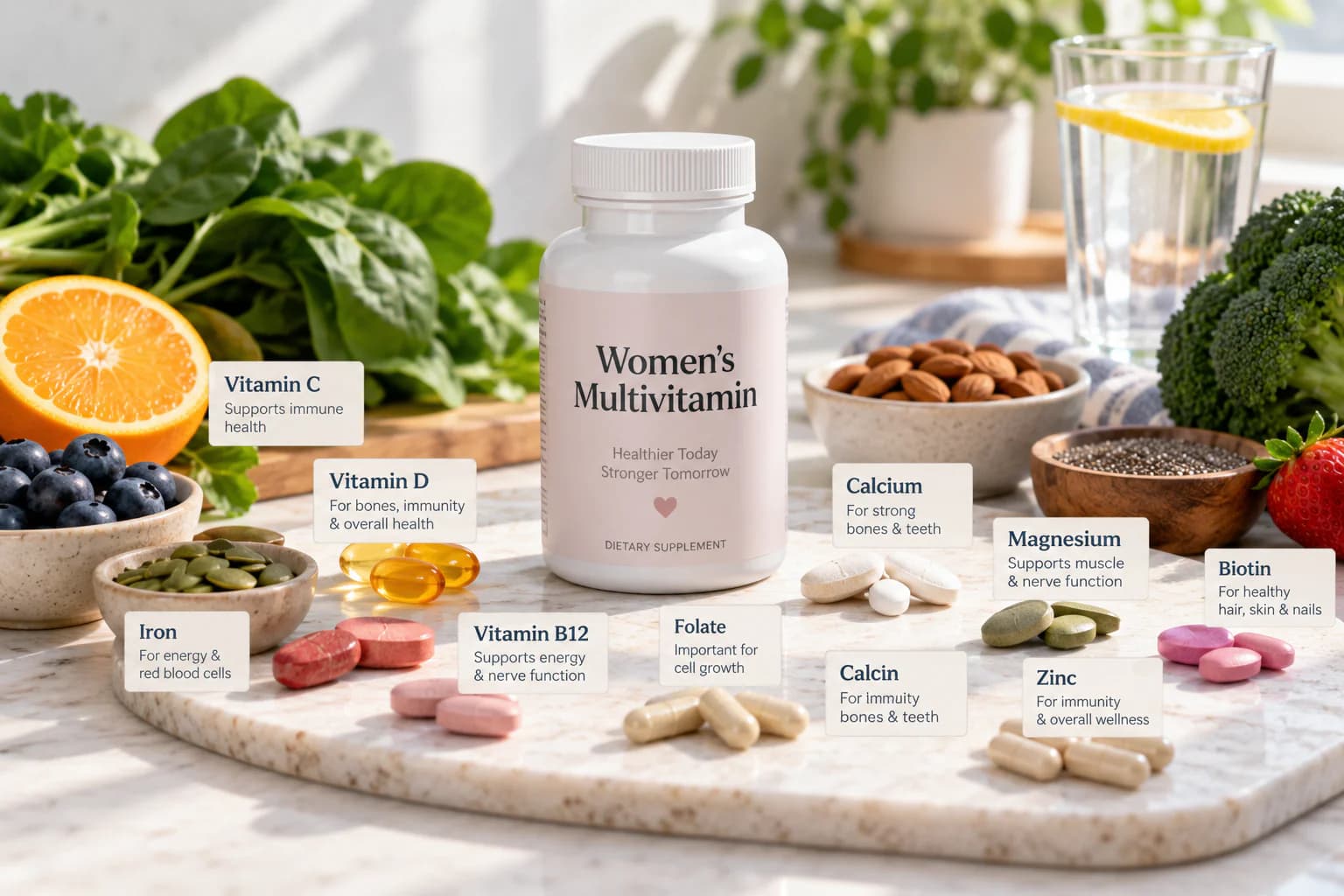
- Often featured
Iron
Oxygen transport & energy metabolism
Common in women's formulas, but needs vary — many women over 50 need less. Consider your diet and any testing.
Vitamin D
Bone health & immune function
Often under-consumed where sun exposure is limited. Amounts differ widely between products.
Vitamin B12
Energy metabolism & nerve function
A frequent gap in plant-forward diets; look at the form and amount on the label.
Folate / Folic Acid
Cell division & preconception health
Emphasised in prenatal and younger-women formulas. Methylfolate and folic acid are both used.
Calcium
Bone structure & maintenance
Rarely present at full daily amounts — multivitamins usually supply only a fraction.
Magnesium
Hundreds of enzyme reactions
Amounts and forms vary; some forms are gentler on digestion than others.
Zinc
Immune support & skin
Included in modest amounts in most women's multivitamins.
Biotin
Hair, skin & nail formulas
Popular in beauty-oriented products; everyday needs are usually small.
How to Choose a Multivitamin for Women
A high-quality women’s multivitamin is one you can read clearly and take consistently. Work down this checklist when comparing options.
Nutrient profile vs. your diet
Start from where your everyday eating may fall short, not from a product's longest ingredient list.
Serving size & amounts
Check how many tablets or gummies make a serving and how much of each nutrient that actually delivers.
Ingredient transparency
Full amounts per nutrient — not a hidden 'proprietary blend' — make a formula easier to judge.
Third-party testing
Independent verification (e.g. USP, NSF, informed programs) is a meaningful quality signal.
Supplement form
Tablet, capsule, gummy, chewable or powder — pick what you'll take consistently.
Iron: yes or no
Iron needs differ by age and life stage. Choose a with- or without-iron formula deliberately.
Added sugars
Gummies in particular can carry added sugar; read the nutrition panel, not just the front.
Fillers & additives
Note artificial colours, sweeteners and unnecessary bulking agents if those matter to you.
Cost per serving
Compare on price per daily serving, not per bottle — serving sizes vary a lot.
Ease of swallowing
If large tablets are a problem, a smaller pill, chewable or gummy may keep you consistent.
Tolerability
Some people find certain formulas easier to digest, especially when taken with food.
Dietary fit
Vegan, vegetarian, gluten-free or allergen preferences can narrow the field quickly.
How We Evaluate Women’s Multivitamins
We don’t publish a fabricated Top-10 or invent star ratings. Instead, every product we review is read against the same criteria, so you can weigh any option — including ones we haven’t covered yet — the same way.
Formulation
Which nutrients are present, in what chemical forms, and whether the combination is coherent.
Nutrient amounts
How each amount compares to established reference intakes — under, around, or well above.
Transparency
Whether the label discloses full per-nutrient amounts and sourcing rather than blends.
Third-party testing
Independent verification of identity, potency and contaminant screening, where disclosed.
Serving & convenience
Servings per day, pill size and form as they affect real-world consistency.
Value
Cost per daily serving in context of what the formula actually delivers.
See the framework applied in our supplement reviews.
Women’s Multivitamins by Age
Needs can shift across the decades — most noticeably around iron and, later, bone-related nutrients. These are general patterns, not medical advice based on age alone.
- 20–29
In your 20s
Building everyday habits; folate and iron often feature in formulas aimed at younger women.
- 30–39
In your 30s
Busy-life energy support and, for some, preconception nutrients like folate come into focus.
- 40–49
In your 40s
Perimenopausal changes lead some women to reassess iron, vitamin D and bone-related nutrients.
- 50+
Over 50
Many 50+ formulas lower or drop iron and lean into vitamin D, B12 and calcium — needs are individual.
Which Type of Women’s Multivitamin Is Right for You?
No single form is universally best. The right one is the format you’ll actually take every day.
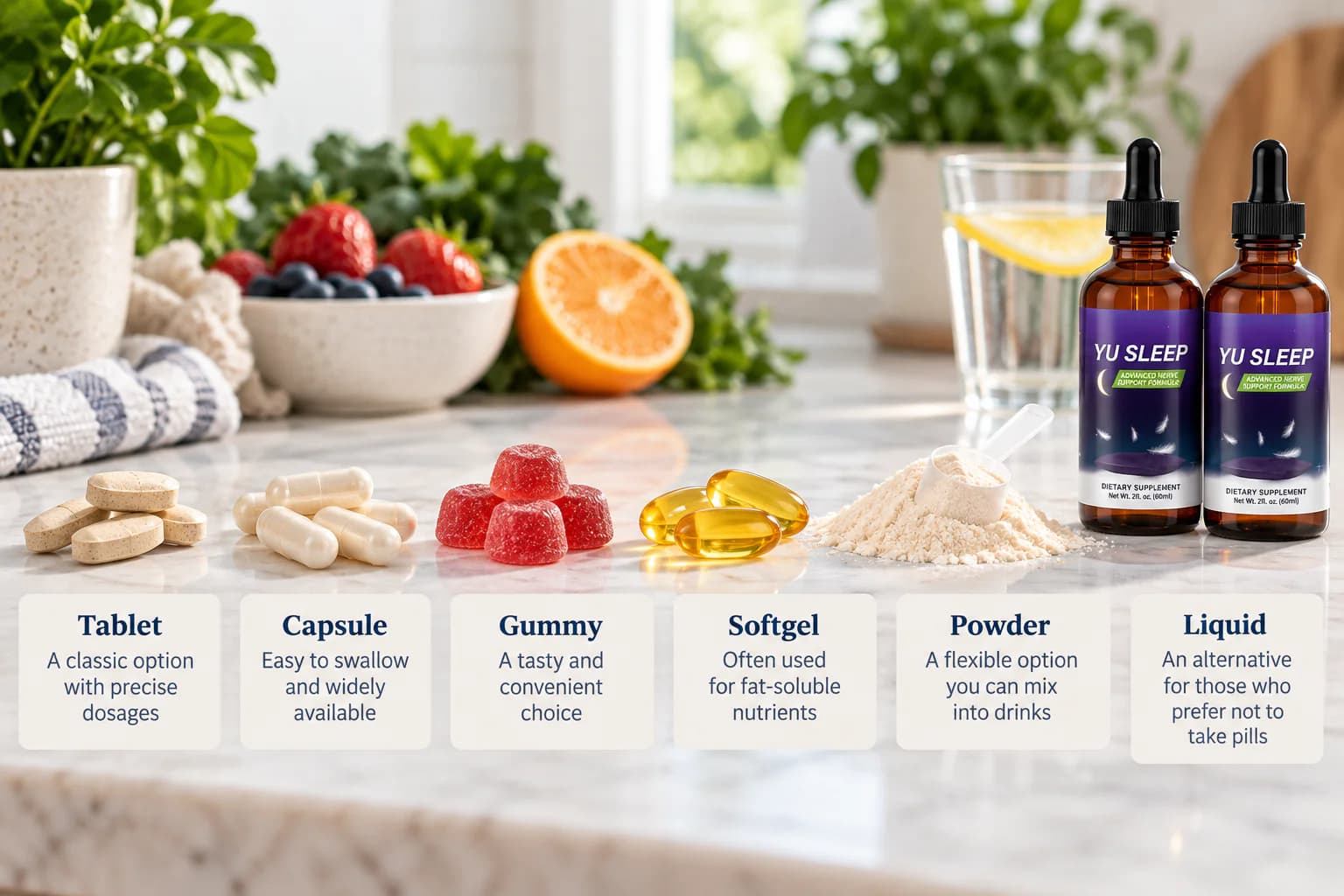
Tablets
- Upside
- Compact, often the most cost-effective and can pack more per serving.
- Watch for
- Can be large or hard to swallow for some people.
Capsules
- Upside
- Often easier to swallow; suit some nutrient forms well.
- Watch for
- May hold less per unit, so servings can be higher.
Gummies
- Upside
- Pleasant to take, which helps consistency.
- Watch for
- Frequently omit iron and can contain added sugar.
Chewables
- Upside
- No water needed; a middle ground between tablets and gummies.
- Watch for
- Taste and texture vary; some contain sweeteners.
Liquid & Powder
- Upside
- Flexible dosing and easy to swallow.
- Watch for
- Shorter shelf stability once opened and often pricier per serving.
- Bottom line
Whichever you pick, the best form is the one you’ll take consistently — then compare labels on nutrient amounts and added sugar.
Women’s Vitamins for Different Health & Wellness Goals
People reach for supplements with a goal in mind. Here’s which nutrients tend to feature — described in general terms, not as a promise to treat, cure or prevent anything.
Energy
B-vitamins support normal energy metabolism when intake is otherwise low.
Immune support
Vitamin D, vitamin C and zinc are commonly featured for immune function.
Bone health
Vitamin D, calcium and magnesium are the nutrients most tied to bone maintenance.
Heart health
Often approached through diet and omega-3s alongside a general multivitamin.
Hair & skin
Biotin, zinc and vitamin C appear in many beauty-oriented formulas.
General wellness
A broad daily formula aimed at covering everyday nutritional gaps.
Do Women Need a Multivitamin?
Not everyone does. Many women meet their nutritional needs through a varied, balanced diet, and a multivitamin isn’t a requirement for good health. The more useful question is whether you have a specific gap worth filling.
Certain circumstances make a multivitamin, or a targeted single nutrient, more worth considering: restrictive or plant-forward diets, limited sun exposure, heavy menstrual periods, pregnancy or preconception, or simply an everyday diet that rarely hits the mark. In those cases a multivitamin can act as sensible insurance against specific shortfalls.
A multivitamin is also not automatically “enough” on its own, nor is taking one every day inherently better if you don’t need what’s in it. Because some nutrients can be overdone and a few interact with medications or conditions, the safest way to decide whether to take one — and which — is a short conversation with a qualified healthcare professional.
When Is the Best Time to Take a Multivitamin for Women?
The single most important factor is consistency: a daily multivitamin only helps if you actually take it daily, so the best time is the one you’ll remember. Many people anchor it to an existing habit, like breakfast.
Taking a multivitamin with food is a common choice — it can be gentler on the stomach, and fat-soluble vitamins such as A, D, E and K are generally absorbed better alongside a meal that contains some fat. Whether morning or evening suits you better often comes down to tolerability and routine rather than a hard rule.
Always follow the directions on your specific product, since serving sizes and formulations differ. If a formula seems to unsettle your stomach, trying it with a larger meal — or at a different time of day — is a reasonable first step.
Real, published reviews — graded on evidence, never recycled sales copy.
Women’s Supplement & Wellness Reviews
Our published, evidence-graded reviews. These cover real women’s wellness products — note that a diet program is a wellness product, not a multivitamin.
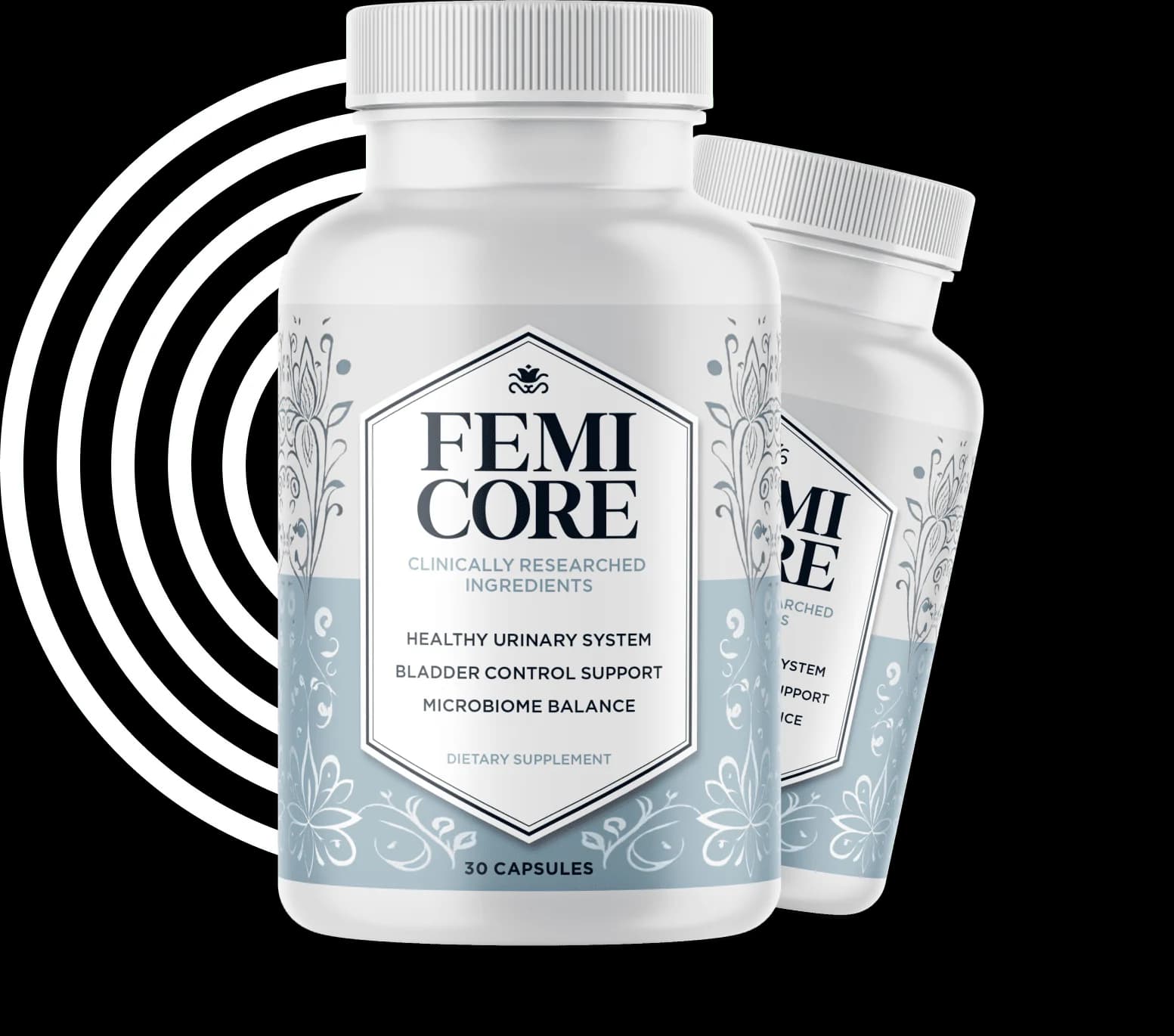 Bladder & urinaryRead the review
FemiCore Review
A bladder-support and microbiome supplement for women. We break down the ingredients, what the research does and doesn't support, pricing and safety.
 Diet & wellnessRead the review
The Mediterranean Diet 30-Day Challenge
A digital Mediterranean meal-plan program — not a multivitamin. We cover what's included, the cost and guarantee, and what the research supports.
Women’s Health Knowledge Hub
The broader subjects this publication is building out. As dedicated guides publish, they’ll link from here.
Vitamins & Nutrition
How everyday nutrients work and where diets commonly fall short.
Women's Wellness
Practical, evidence-led coverage of everyday women's health.
Bladder & Urinary Health
What the research says about supportive nutrients and habits.
Healthy Aging
How needs shift through the decades, including after 50.
Menopause
Nutritional considerations through perimenopause and beyond.
Fitness & Lifestyle
Diet, movement and habit changes that support the basics.
Featured Guides & Upcoming Articles
The supporting articles we’re writing next, drawn from the questions readers actually search. We link to guides only once they’re published — these are in progress, not live links.
- In progress
Best Multivitamin for Women: How We'd Compare
Commercial · buyer's framework
- In progress
Women's Multivitamin With Iron: When It Makes Sense
Informational · nutrient
- In progress
Best Multivitamin for Women Over 50
Commercial · age cluster
- In progress
Gummy vs. Tablet vs. Capsule Multivitamins
Informational · form comparison
- In progress
How to Choose a Women's Multivitamin
Informational · decision guide
- In progress
Best Time to Take a Multivitamin for Women
Informational · usage
Frequently Asked Questions
Straight answers to the questions women most often ask about multivitamins.
What is a multivitamin for women?
A multivitamin for women is a daily supplement combining several vitamins and minerals in one dose, often formulated with amounts aimed at common patterns in women's diets. Formulas differ widely, so the label matters more than the name on the front.
Do women need a multivitamin?
Not necessarily. Many women meet their needs through a varied diet. A multivitamin may help fill specific gaps related to diet, life stage or individual circumstances, but it isn't required for everyone. A healthcare professional can help you decide.
What should a women's multivitamin contain?
It depends on your needs, but common nutrients include vitamin D, B12, folate, iron, calcium, magnesium and zinc. Whether you need extra of any nutrient depends on your diet, age, life stage and personal circumstances.
Should a women's multivitamin contain iron?
Sometimes. Iron is common in formulas for younger and menstruating women, while many products for women over 50 lower or omit it. Choosing a with- or without-iron formula should be a deliberate decision, ideally informed by your diet and any testing.
What is the best form of multivitamin for women?
There is no single best form. Tablets, capsules, gummies, chewables and powders each have trade-offs in size, taste, cost and what they can hold. The best form is the one you will take consistently.
Are gummy multivitamins as good as tablets?
Gummies can be a reasonable option and often improve consistency because they're pleasant to take. However, they frequently omit iron and can contain added sugar, and they may hold fewer nutrients per serving than tablets. Compare the labels directly.
When is the best time to take a women's multivitamin?
Consistency matters more than the exact hour. Many people take a multivitamin with food to support tolerability. Follow the label directions, and note that fat-soluble vitamins are generally absorbed better with a meal.
Can women over 50 take a regular multivitamin?
Often, but many women over 50 prefer a 50+ formula because iron needs typically fall after menopause while attention to vitamin D, B12 and calcium may increase. Individual needs vary, so it's worth reviewing with a clinician.
How do I choose a good women's multivitamin?
Start from where your diet may fall short, then look at nutrient amounts, ingredient transparency, third-party testing, serving size, form, added sugars and cost per serving. A high-quality product discloses full amounts rather than hiding them in a blend.
Can a multivitamin replace a healthy diet?
No. A multivitamin is intended to complement food, not replace it. Whole foods provide fibre, protein and compounds a supplement can't fully reproduce. Think of a multivitamin as insurance against specific gaps, not a substitute for eating well.
Explore Women’s Health & Supplement Guides
Multivitamin for Women is an independent reference for women weighing vitamins, minerals and supplements. We describe what a product contains, at what dose, in what form — and what the published research does and does not establish. We are not a substitute for medical care; use what you read here to have a better-informed conversation with a qualified healthcare professional.